Entry · Ref 5Z4HWI6E
The Story of Vellies South Africa: From Veldskoen to Modern Wardrobe Staple
- Posted
- 2026-10-29
- Last amended
- 2026-10-29
- Account
- @myvelliessouthafricadigest
More Than Just a Shoe
I remember the first time I properly noticed a pair of vellies. It was at a small market in Rivonia, and a older gentleman was wearing a well-worn pair of leather vellies that had clearly seen years of use. The leather had taken on a deep, rich patina, and the sole stitching was still intact. He told me he had bought them from a cobbler in the Eastern Cape over a decade ago. That conversation sparked my interest in what makes this particular style of South African footwear so enduring. The story of vellies south africa is not just about a shoe; it is about a connection to the land, to skilled hands, and to a design that has proven its worth over generations.
Veldskoen, as they are traditionally known, have a history that stretches back centuries. The basic design is deceptively simple: a single piece of handcrafted leather that wraps around the foot, with a distinctive turned-up toe and a sturdy sole. This simplicity is its genius. The shoe was born from the practical needs of farmers and travellers moving through the rugged South African landscape. It had to be tough, it had to be comfortable, and it had to be repairable. The original versions were often made from African leather, tanned using natural methods, and stitched by hand. It is a piece of South African heritage that has never really gone out of style, even if it has been rediscovered by a new generation.
The Craft Behind the Leather
What sets a good pair of vellies apart is the construction. When you pick up a pair of handcrafted leather vellies, you notice the weight and the smell of the material. The best examples use a full-grain leather that will mould to your foot over time. The process of sole stitching is critical. A machine might be faster, but a hand-stitched sole, often done by Cape Town cobblers or artisans in the small towns of the Karoo, allows for a level of durability that is hard to match. I have owned boots that fell apart after a season, but a well-made pair of vellies can last a decade or longer with proper care.
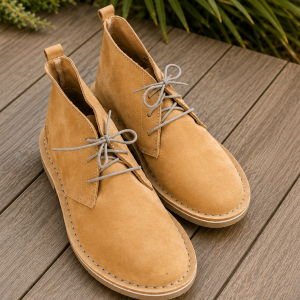
The choice of leather is also a major factor. You can find everything from a classic brown leather to a more refined suede vellies. Suede offers a softer, more casual look, but it requires a bit more attention to keep clean. For the traditionalist, a good beeswax polish is the best friend of a leather vellie. It nourishes the leather, helps with water resistance, and brings out the natural grain. I always recommend a boot care kit to anyone buying their first pair. It includes the right brushes and conditioners to keep the leather supple. It is a small investment that pays off many times over.

From Veldskoen to a Full Wardrobe
The appeal of this style has grown so much that the term vellies south africa now represents more than just the classic shoe. The same principles of durable construction and timeless design have been applied to other items. A good pair of men’s leather boots, for example, borrows the same robust construction and high-quality African leather that makes a vellie so reliable. They are not fashion boots that will crease and crack; they are workhorse boots that you can wear on a hike or to a casual dinner.
Similarly, the women’s leather handbags and accessories made by the same craftspeople carry that same DNA. A leather messenger bag, stitched with the same attention to detail, becomes a daily companion rather than a disposable accessory. The leather develops character, softening and darkening where you touch it most. It is a reaction against the throwaway culture of fast fashion. People are looking for items that have a story, that are made to last, and that connect them to a specific place and tradition. The rise of artisan leather goods in South Africa is a direct response to that demand.
Practical Choices: Sole and Style
One of the most common questions I get from people new to this style is about the sole. The traditional vellie has a leather sole, which is lightweight and allows your foot to feel the ground. This is great for driving or for wearing on soft earth, but it can be slippery on wet pavement. Many modern makers now offer a rubber sole option, which adds grip and is more practical for everyday city wear. It is a trade-off between tradition and practicality. I have a pair of Kalahari sandals that use a similar construction, and they are incredibly comfortable for warm weather, but I would not choose them for a long walk on concrete.
Then there is the question of fit. Vellies are not designed to be tight out of the box. The leather will stretch and conform to your foot. A good cobbler will tell you to buy them snug, almost too snug, because they will give. This is where the expertise of Cape Town cobblers really shines. They know exactly how a foot should sit in the shoe. If you can, try them on in person. If you are ordering online, pay close attention to the sizing guide and read reviews about how the specific model fits. I once ordered a pair that was a half-size too big, and they never felt right, even after a year of wear.
Caring for Your Collection
If you invest in a vellie collection, you owe it to yourself to take care of the leather. It is not difficult, but it does require a little discipline. Here are a few simple habits that will extend the life of your footwear and bags significantly:
- Clean off dirt and dust after each wear with a soft brush or damp cloth. Do not let grit grind into the leather.
- Condition the leather every few months with a good balm or beeswax polish. This prevents the leather from drying out and cracking.
- Use shoe trees when you are not wearing them. This helps the leather hold its shape and absorbs moisture from the inside.
- Rotate your shoes. Wearing the same pair every day does not let the leather rest and dry out properly.
- For suede vellies, use a dedicated suede brush and protector spray to guard against stains and water damage.
These steps are not just about keeping things looking nice. They are about respecting the work that went into making the item. A leather messenger bag or a pair of men’s leather boots that are well cared for will last long enough to be handed down. That is the real value.
The Role of Natural Materials
A detail that often gets overlooked is the tanning process. The best leather for this kind of footwear comes from hides that have been treated with care. Some traditional tanneries still use a method called rooibos tanning, which uses the leaves of the rooibos plant to give the leather a distinctive colour and a natural resistance to the elements. It is a beautiful example of using local resources to create a superior product. It also avoids some of the harsh chemicals used in industrial tanning. This attention to natural materials is part of what makes the footwear feel so connected to the South African landscape.
I have also seen a resurgence of interest in styles like the Mokolo, a type of sandal that follows the same principles of simple, durable construction. It shows that the philosophy behind the vellie is adaptable. Whether it is a closed shoe, a boot, or a sandal, the focus on handcrafted leather and functional design remains constant. The market for artisan leather goods is growing because people are tired of shoes that fall apart after a few months. They want something real.

A Final Thought on Style
Wearing a pair of vellies is not about making a loud fashion statement. It is about a quiet confidence in quality. It is about choosing an item that was made by someone who knows their craft, using materials that respect the environment. The phrase vellies south africa carries a weight of history and practicality that you do not get from a mass-produced sneaker. When you put on a pair of handcrafted leather vellies, you are participating in a tradition that connects you to the farmers, cobblers, and artisans who have been making them for generations. That is a connection worth having.
So whether you are looking at a pair of suede vellies for a summer day, a sturdy pair of men’s leather boots for the winter, or a women’s leather handbag for everyday use, remember that you are buying more than just an item. You are buying a piece of South African heritage. Take care of it, wear it well, and it will take care of you.